Posts

The Primary Series :: Standing Asanas

Image
X ARDHA BADDHA PADMOTTANASANA • HALF BOUND LOTUS FORWARD BEND Ardha=half Baddha=bound Padma=lotus Uttana=intense stretch 1. Inhale, place the right heel as close to the navel as possible. 2. Exhale, reach around behind back with right hand and hold onto big toe of right foot. 3. Inhale, lift left arm up. 4. Exhale, bend forward, looking straight ahead, left hand on floor. Drishti: nose. Hold for 5-8 breaths. 5. Inha le, head up, look between eyebrows. 6. Ex hale, fold forward, crown of head towards floor. 7. Inhale, head up, look up. 8. Exhale, spine straight. 9. Inhale, come up. 10. Exhale , leg down to Samastithi. Repeat left side,1-10. Modified posture: hold foot up in half lotus with both hands, 5-8 breaths, don ’ t bend forward. Or bend forward with both hands to the floor, and knee bent .

The Primary Series :: Standing Asanas

Image
IX UTTHITA HASTA PADANGUSTHASANA • HAND TO BIG TOE POSTURE Utthita=extended Hasta=hand Pada=foot Padangustha=big toe 1. Inhale, right leg up, hold big toe with first two fingers of right hand, left hand on hip, right leg straight. 2. Exhale, chin towards knee. Drishti: big toe. Hold for 5-8 breaths. Modified posture: hold knee into chest. 3. Inhale, look up, straighten body, keeping leg extended out. 4. Exhale, right leg out to right side, look to left. Drishti: far to side. Hold posture 5-8 breaths. 5. Inhale, leg back to center. 6. Exhale, take foot with both hands, pull leg toward chest (bending elbow), chin toward knee or shin. 7. Inhale, head up. 8. Exhale, hands to hips, hold leg extended straight out in front for 3 breaths. With last exhale bring leg down to Samastithi. Repeat other side. Modified posture: keep knee bent as you bring leg out to side and back in to chest.

The Primary Series :: Standing Asanas

Image
VIII PARSVOTTANASANA • INTENSE SIDE STRETCH POSTURE Parsva=side Uttana=intense stretch 1. Inhale, jump feet out 3 ft apart, right foot parallel to edge of mat (90 degrees) left heel turned in (left foot at a 45-60 degree angle). 2. Exhale, hands in prayer behind back, turn hips to right, lift kneecaps. 3. Inhale, look up, open chest. 4. Exhale, press palms together not clasping thumbs or fingers, stretch out and then down, bend from the hips forward over right leg, bring chin toward shin. Pull right hip back so hips are parallel, lift elbows. Drishti : 2nd toe of extended foot. Hold for 5-8 breaths. 5. Inhale, come up. 6. Exhale , turn hips to left, reverse feet. 7. Inhale, open chest, look up and back. 8. Exhale, bend forward over left leg. Hold 5-8 breaths. 9. Inhale, come up. 10. Exhale, hop to Samasthiti. Modified posture: hold elbows behind back instead of hands in prayer, stay at half way down position with head up, spine straight.

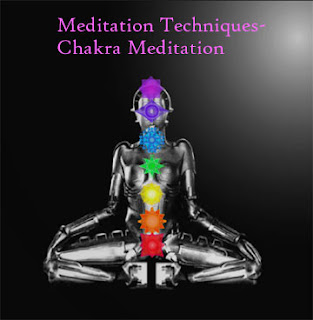
Chakra Meditation

Image
T he human body has some sensitive areas known as the centers or the charkas that are responsible for emotions, intuition. They are located in seven important parts of our body. Chakra meditation can focus on one or more chakras. It helps us to get more awareness and consciousness in life. Most of us believe that chakras reflect the life force energy. However, there are chances for charkas to be out of balance. Chakra meditation facilitates rebalancing the energy fields. To start chakra meditation, you can seek out any position you find comfortable. Then relax yourself by taking deep breath and allow your eyes to close slowly. There are two types of approaches in Chakra meditation. You can either imagine your energy being balanced in the chakra spots in your body, or you can see the colors linked with such spots. Hint: many people feel the color approach is easier to practice. Various Types of Chakra in The Human Body • Root Chakra: It is worth to start with your root ch...

VIII Parsvottanasana - Intense Side Stretch Posture

Image
Parsva=side Uttana=intense stretch 1. Inhale, jump feet out 3 ft apart, right foot parallel to edge of mat (90 degrees) left heel turned in (left foot at a 45-60 degree angle). 2. Exhale, hands in prayer behind back, turn hips to right, lift kneecaps. 3. Inhale, look up, open chest. 4. Exhale, press palms together not clasping thumbs or fingers, stretch out and then down, bend from the hips forward over right leg, bring chin toward shin. Pull right hip back so hips are parallel, lift elbows. Drishti: 2nd toe of extended foot. Hold for 5-8 breaths. 5. Inhale, come up. 6. Exhale, turn hips to left, reverse feet. 7. Inhale, open chest, look up and back. 8. Exhale, bend forward over left leg. Hold 5-8 breaths. 9. Inhale, come up. 10. Exhale, hop to Samasthiti. Modified posture: hold elbows behind back instead of hands in prayer, stay at half way down position with head up, spine straight.

The Primary Series : Standing Asanas

Image
VII PRASARITA PADOTTANASANA A-D • INTENSE WIDE LEG STRETCH Prasarita=spread out Pada=foot Uttana=intense stretch A 1. Inhale, jump to the right, feet approximately 4 ½ ft apart, legs out to side, feet parallel, hands on hip joint. Look up and back open chest, tuck pelvis. 2. Exhale, fold forward, lengthening as you bend at waist, place both hands on floor between feet shoulder width apart. Pull the scapula up the back and away from the shoulders, elbows out to sides. 3. Inhale, head up, look up between eyebrows, spine straight. 4. Exhale, crown of head towards the floor. Drishti: nose. Hold for 5-8 breaths. 5. Inhale, head up, look up between eyebrows. 6. Exhale, hands to hip joint. 7. Inhale, come up, spine straight. 8. Exhale. Modified posture: bend knees. B 1. Inhale, arms out to the sides. 2. Exhale, hands on h ip joint, fingers pushing into abdominal cavity to emphasize uddiyana bandha, pull the elbows together and lift from the hips, top of h...

Yoga Emotional and Physical Benefits

Image
Not only does the practice of yoga have wonderful physical benefits, there are also more subtle benefits regarding the emotional and spiritual dimensions. Yoga-based relaxation techniques and stretching are effective because the mind is focused in a meditative way on the movements, skin / muscle sensations and relaxed breathing. A healthy body contributes to a healthy mind. Furthermore, a relaxed body contributes to relaxing the mind and emotions. This combination results in complete, dynamic health. Yoga provides powerful skills for stress-management - coping with the stresses or ups and downs of daily life. Accumulated emotional stress can manifest as character armor in the body, which may lead to maladaptive psychological tendencies including anxiety, depression and addictions. In Yoga this armor is called "kleshas". The postures bend, stretch and twist these "kleshas" out of the system, thus releasing emotional blockages. As the body becomes more flexible s...